

Adjusting a mobile home is an essential activity that every homeowner should focus on to ensure safety, comfort, and the longevity of their investment. Over time, even the most well-constructed mobile homes can move and settle, leading to issues like unlevel floors, doors that jam, and damaged walls. Understanding how to level your mobile home correctly not only enhances your living experience but also protects the stability of your home.
In this comprehensive manual, we will walk you through the entire process of leveling your mobile home, from identifying red flags to get ready for your home and site for the leveling procedure. Whether you are considering a DIY approach or evaluating the need for professional assistance, this article aims to equip you with the knowledge and resources necessary to tackle mobile home leveling safely and effectively. Let’s explore the critical aspects that every homeowner should understand about this necessary maintenance job.
Understanding Mobile Home Leveling
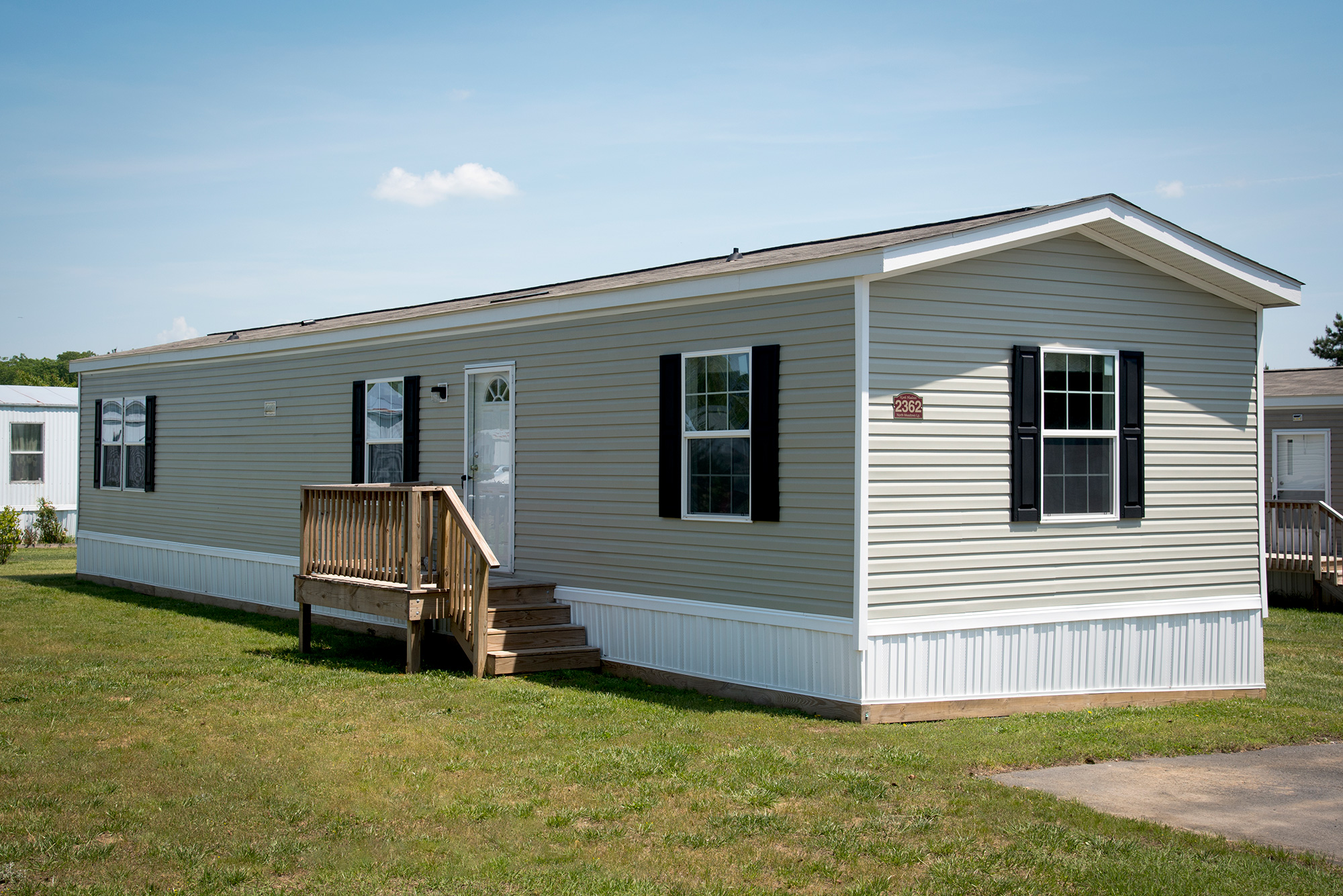
Manufactured home leveling is an essential upkeep task that guarantees your residence remains stable and safe in the long run. Multiple factors, such as soil shifts, weather changes, and settling of the foundation, can cause a mobile home to become unlevel. This imbalance can lead to a wide variety of problems, including doors and windows that get stuck, uneven floors, and possibly structural damage. Comprehending the necessity of leveling can help homeowners preserve the integrity and safety of their mobile home.
Effective stabilization involves modifying the height of the residence by raising or lowering specific points along the foundation. This process not only returns balance but also prevents future issues that can arise from an unlevel structure. Regular checks and maintenance can significantly prolong the life of your home and improve your living experience by making sure everything functions efficiently. Knowing the right time to level your home and the effective methods matters for any mobile home owner.
Additionally, the stabilization method can demand specific tools and techniques to realize the desired results. From jacks and blocks to spirit levels and laser levels, each tool plays a critical role in guaranteeing accuracy during the leveling process. installing skirting on a mobile home is necessary for homeowners to acquaint themselves with these tools and comprehend the mechanics of leveling to perform the process effectively and correctly.
Step-by-Step Adjusting Process
To start the adjusting process of your manufactured home, you will firstly need to check the current level of your home. Use a measuring device, such as a water level or light level, to identify which areas are lower or higher. Start from a core point in your home and check the distance to the ground at multiple points along the perimeter and beneath the home. Note any significant discrepancies, as these will direct your next steps in leveling.
Once you have found the dropped and lifted points, you can start the elevating process. Use hydraulic lifters to raise the areas that are depressed, ensuring to place supports or jacks at the correct points along the frame. It is crucial to lift your home gradually and in tiny increments to prevent any damage. Keep monitoring the position as you perform adjustments, and once the home is almost completely level, you may begin to fasten the frame by placing shims or modifying the supports beneath the perimeter.
After reaching a level position, it is essential to enhance the strength of your mobile home. Check all support columns and make required adjustments. You may also need to bolster weak spots that could have led to the instability. Once all components is fixed, conduct a conclusive check to ensure the home is level, and take a moment to inspect doors, windows, and floors for any indications of betterment. Enjoy the relief that comes with a properly leveled mobile home.
Upkeep and Long-Term Benefits
Consistent maintenance is important for guaranteeing that your mobile home remains straight over time. After adjusting, it is necessary to check the alignment of your home regularly, at least two times a year. Seasonal shifts, such as freeze-thaw cycles, can lead to shifts in the ground beneath your home, resulting in potential settling. By being proactive with inspections, you can catch issues before they escalate and tackle them prior to they escalate into bigger, costlier problems.
Besides preventing structural damage, maintaining a level mobile home provides many long-term benefits. A properly leveled home enhances overall safety, preventing hazards such as tripping or falling. Additionally, it can improve the longevity of devices and systems within your home, as plumbing and electrical components will operate more efficiently when the home is stable. This responsiveness ultimately leads to a more comfortable home environment.
Committing resources into the maintenance of your mobile home can also safeguard your financial investment. An uneven mobile home can cause declining property value and increased repair costs. In contrast, a well-maintained, level home encourages energy efficiency, lowers the likelihood of structural damage, and improves curb appeal. By focusing on maintenance, you set yourself for both immediate and long-term rewards in home investment.
Lonestar Mobile Home Leveling & Skirting
276 County Rd 1700
Clifton, TX 76634
(254)266-5369